Why Tucson General Contractor Delivers Quality Craftsmanship
How to Select the Right General Contractor for Your Next Home Project
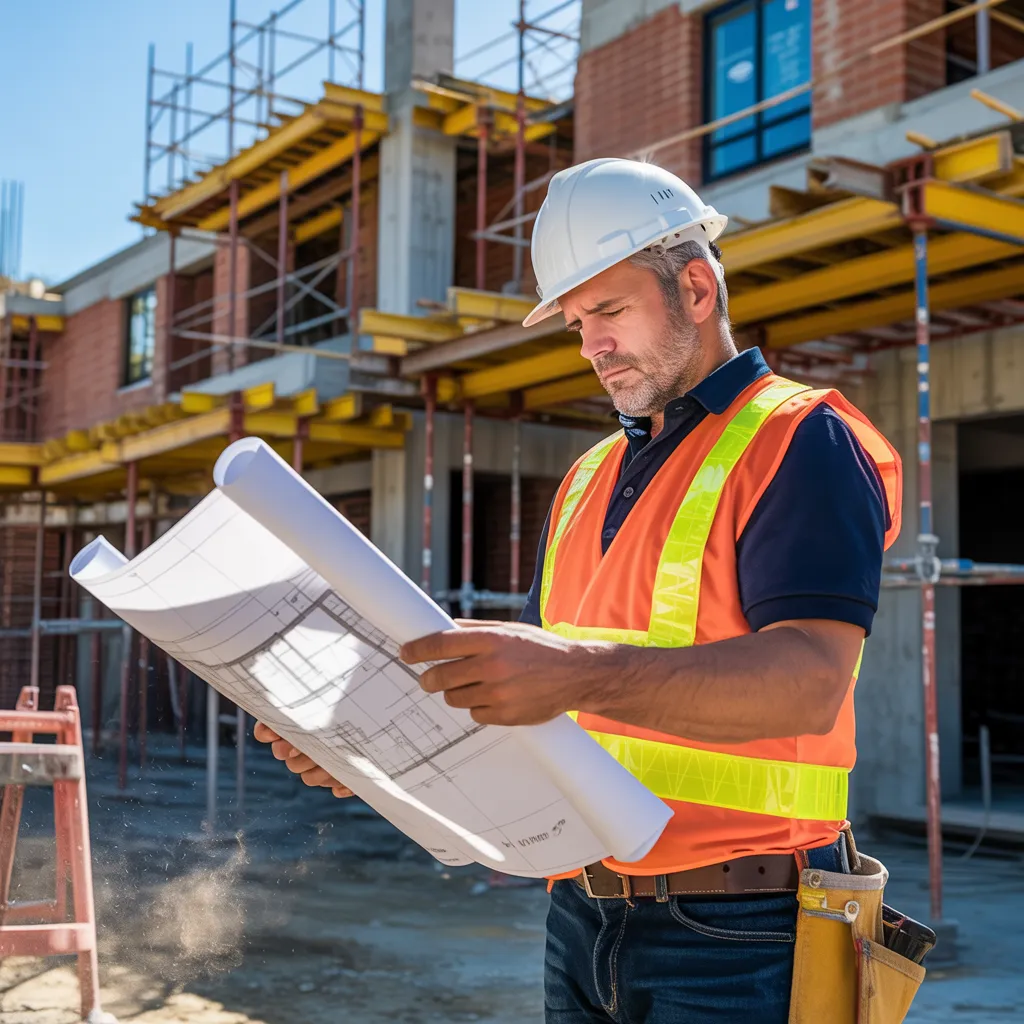
Finding the best construction firm representative for your home assignment is a vital choice. It requires deliberate assessment of numerous factors, including experience, credentials, and ability to communicate. Plenty of homeowners miss important points, producing financial losses. Knowing how to evaluate potential professionals can provide a major difference. By concentrating on essential benchmarks and raising the right inquiries, one can work through this complex undertaking more successfully. What are the key procedures to ensure a productive partnership?
Essential Factors for Avoiding Frequent Errors When Selecting a Builder
When selecting a general contractor, how might one navigate the myriad of choices without falling into common traps? Prospective clients often neglect key details that can lead to poor consequences. First, depending only on cost can be deceptive; the lowest bid may represent subpar quality or additional fees. Additionally, neglecting to check references or online reviews can result in hiring a contractor with a poor track record. It is also essential to refrain from choosing solely on charm; a charming contractor may not have the required expertise or trustworthiness. Moreover, missing defined exchanges and requirements can lead to misinterpretations and unhappiness. Finally, not reviewing contracts thoroughly before signing can result in surprise commitments or absence of safeguards. By being alert and aware, homeowners can make better choices, ultimately bringing about a positive completion.
Key Factors to Consider in a Contractor's Expertise
When evaluating a contractor's track record, multiple important elements come into play. Relevant project experience, professional credentials, evidence and an comprehensive collection of completed work represent essential markers of their competencies. Evaluating these elements can offer valuable insights into the contractor's suitability for the specific project at hand.
Suitable Undertaking Track Record
Grasping a contractor's relevant project experience is crucial for ensuring the positive outcome of any construction endeavor. Potential customers should assess the contractor's body of work, concentrating on finished work similar in scope and style to their own. This entails examining the caliber of craftsmanship, adherence to timelines, and budget management in previous undertakings. Additionally, it is beneficial to inquire about the types of materials used and the contractor's knowledge of local building codes and standards. Testimonials and references from past clients can shed light on the contractor's dependability and ability to communicate. Ultimately, a contractor with considerable applicable expertise can navigate challenges successfully, ensuring the project meets the homeowner's requirements and benchmarks.
Professional Certifications And Licenses
Certification and licensing act as key indicators of a contractor's professionalism and expertise in the construction industry. When hiring a general contractor, it is essential to verify that they hold the demanded licenses set by local and state regulations. These licenses prove compliance with building codes and safety standards. Moreover, industry certifications, such as those from the National Association of Home Builders or other similar organizations, reflect a contractor's commitment to quality and continuous education. Contractors possessing specialized certifications may also have skills in particular areas, like green building or remodeling. Making sure a contractor has the appropriate credentials not only builds confidence in their abilities but also reduces potential legal and financial risks during the project.
Portfolio Of Finished Work
The professional's portfolio of completed work acts as a essential instrument for judging their competence and experience. This set should display a varied mix of jobs, revealing adaptability in multiple styles and intricacies. When analyzing a portfolio, potential clients must seek professional photographs that capture the skill involved. It is helpful to see assignments that correspond to the homeowner's individual preferences or style choices. Meticulousness, original ideas, and meeting deadlines are key signs of a contractor’s expertise. Furthermore, client testimonials or project analyses included in the portfolio provide enhanced perspective into the contractor's commitment and consistency. Finally, a solid portfolio assists homeowners to choose wisely regarding their future jobs.
Steps to authenticate Your Contractor's Qualifications and Licenses
Before contracting a general contractor, it is important to validate their qualifications and certifications to verify they comply with industry standards. Commence by contacting state licensing agencies to confirm that the contractor holds the required licenses for your territory and work scope. Each state sets its own criteria, so becoming aware of them can circumvent later difficulties.
Furthermore, inquire about insurance coverage, including liability and workers' compensation, to ensure protection against potential accidents or damages. Obtain references from previous clients and follow up to gauge satisfaction and reliability.
Lastly, assess any certifications the contractor may obtain, as these often reveal professional development and commitment to industry best practices. A detailed review process not only guarantees compliance but also creates assurance in the contractor's ability to complete the project successfully.
Why Strong Communication Is Fundamental in Your Contractor Relationship
Effective interaction plays a vital role in the contractor-client relationship, determining the project's success from the outset. Clear communication sets expectations, timelines, and budgets, ensuring both parties are in agreement on the project's goals. When clients communicate their vision effectively, contractors can provide informed recommendations and solutions, boosting the overall outcome.
Frequent check-ins and open lines of communication facilitate quick resolution of issues as they occur, limiting potential delays. Additionally, a contractor who pays heed and acknowledges client feedback develops trust, which is indispensable for collaboration.
Moreover, solid communication facilitates in addressing shifts and surprising challenges, keeping the project on course. It allows the contractor to revise methods based on customer feedback, guaranteeing happiness across the process. In conclusion, emphasizing interaction not only strengthens the contractor-client bond but also greatly contributes to the successful accomplishment of the home project.
Vital Questions to Bring Up with Your Contractor in First Meetings
During initial meetings with a contractor, clients should emphasize understanding their experience and qualifications. It's important to discuss the project timeline and budget to confirm alignment with the client's expectations. These questions create a foundation for a successful partnership and effective project management.
Experience and Professional Background
Selecting a general contractor relies on understanding their experience and qualifications. Homeowners should ask about the contractor's years in the field and the types of work accomplished. Detailed questions about official permits, formal qualifications, and liability coverage are essential because these confirm compliance with local regulations and provide security throughout the project. Moreover, looking at past work through portfolios or client references can give insight into the contractor's craftsmanship and reliability. It is also worthwhile to inquire about their experience with similar projects, as this can suggest their ability to handle specific situations. Ultimately, judging a contractor's experience and qualifications strengthens trust and aids homeowners in making well-informed choices about their home work.
Project Schedule and Budget
How can homeowners guarantee their project remains on track financially and temporally when meeting with a general contractor? To maintain alignment, they should pose important questions during initial meetings. Homeowners must inquire about the projected schedule for project completion and any possible setbacks that could arise. Comprehending the contractor's approach to managing schedules is crucial. Moreover, discussing the budget at the outset is important; homeowners should seek clarity on pricing quotes, payment schedules, and any built-in reserves for unexpected costs. Asking about previous projects can offer understanding into the contractor's dependability in meeting deadlines and staying within budget. By creating transparent dialogue regarding timelines and finances, homeowners can build a strong partnership with their contractor, improving the likelihood of a successful project.
Tips for Checking References and Examining Reviews
What steps should one take to guarantee a general contractor is dependable? First, it is essential to request a list of recommendations from potential contractors. A reputable contractor will readily give names and contact information of previous clients. One should reach out to these references to inquire about their experiences, emphasizing factors including communication, quality of work, and adherence to timelines.
Also, reading online appraisals on venues like Google, Yelp, or Angie's List can provide valuable knowledge. It is imperative to identify regularities in the reviews—persistent praise or disapproval can indicate reliability or probable complications.
Furthermore, reviewing any claims filed with local licensing boards or consumer protection agencies can demonstrate a contractor's past. Finally, seeking recent images of their work can help judge the excellence of their work. By taking these steps, one can make a more informed decision when selecting a general contractor.
Grasping Vendor Pricing and Payment Terms
Property owners should become acquainted with conventional payment terms. Most contractors request a deposit at the beginning, preceded by progress payments associated with project milestones. It's important to address these terms before agreeing to a contract to eliminate misunderstandings. In addition, homeowners should ask about potential supplementary charges, such as permits or emergency repairs. Transparent dialogue regarding payment structure and pricing will help foster a straightforward working relationship, ultimately achieving a successful project outcome. Learning about these elements provides homeowners the ability to make smart choices when identifying a general contractor.
Often Posed Questions
How long Will the Project Take to Complete?
Project duration typically varies based on complexity and scope. Generally, it could require multiple weeks or months. Factors such as climate conditions, availability of materials, and workforce availability can greatly influence the completion timeline.
What Occurs if Unexpected Issues Come Up During Construction?
If unforeseen challenges arise during the building, the contractor usually assesses the situation, communicates with the homeowner, and proposes solutions. Modifications to the timeline and spending may be necessary, ensuring transparency throughout the process.
Will My Undertaking Need Licenses or Assessments?
Most undertakings require permits and inspections to guarantee adherence with local building codes. It is crucial to consult with a general contractor who understands these requirements, as they can manage the permitting process effectively.
What Is Your Method to Managing Subcontractors and Their Compensation?
A distinguished general contractor regulates subcontractors by establishing transparent agreements delineating payment terms. They affirm consistent payments, cultivate open communication, and monitor subcontractor work standards, encouraging a teamwork-oriented setting that bolsters project excellence and productivity.
What Policy Do You Have Regarding Project Updates or Upgrades?
The contractor employs a flexible approach to project changes, insisting on written documentation for any upgrades. They commit to open dialogue, review cost implications, and adapt timelines accordingly to support the client's dynamic needs and preferences.